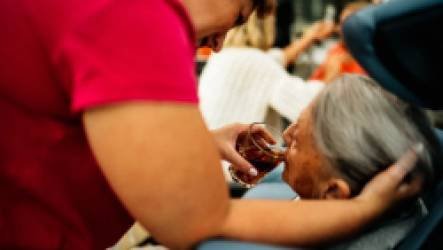
The period right after a hospital discharge is often more delicate than the hospital stay itself. Patients are home, but still recovering, and the structure of daily hospital care needs to be recreated, at least partially, in a home setting.
Follow the discharge plan closely
Discharge summaries usually include medication schedules, wound care instructions, and activity restrictions. Keep this document accessible and follow it precisely rather than relying on memory of verbal instructions given at a busy discharge desk.

Set up a recovery-friendly space
A ground-floor room, easy access to a bathroom, and a comfortable bed at the right height all reduce unnecessary strain during recovery. Keep essentials like water, medication, and a phone within arm's reach.
Monitor, do not guess
Track vitals as advised, temperature, blood pressure, wound appearance, and note any changes. A home nurse can be particularly valuable in the first one to two weeks, when complications are most likely to surface.

Reintroduce activity gradually
Follow the pace set by the treating doctor or physiotherapist rather than rushing back to normal routines. Overexertion during early recovery is one of the most common causes of readmission.
A structured, well-monitored recovery at home often leads to better outcomes than patients expect, provided the discharge plan is treated with the same seriousness as the hospital stay itself.