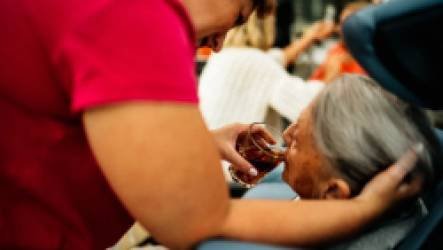
Caring for an ageing parent or grandparent at home is as much about daily rhythm as it is about medical attention. Small, consistent habits often matter more than occasional big interventions.
Build a predictable daily routine
Elderly family members generally do better with consistency, fixed meal times, medication reminders, and a set time for light movement or a short walk. Predictability reduces confusion and anxiety, especially for those managing memory-related conditions.

Make the home safer, not just more comfortable
Simple changes reduce fall risk significantly: non-slip mats in the bathroom, grab bars near the toilet and shower, adequate lighting in hallways at night, and keeping frequently used items within easy reach without needing a step stool.
Keep medical information organised
Maintain a single, updated record of medications, dosages, allergies, and doctor contacts. This becomes invaluable if a different family member needs to step in during an emergency, or if a home nurse or attendant is brought in temporarily.

Do not overlook emotional wellbeing
Isolation is one of the most under-addressed issues in elderly care. Regular conversation, family visits, and encouraging light social activity matter as much as physical health monitoring.
Know when to bring in outside help
If caregiving is starting to affect your own health, sleep, or work, it is reasonable to bring in a part-time attendant or home nurse rather than treating it as an all-or-nothing decision. Support can be scaled to exactly what is needed.
Good elderly care at home is rarely about doing everything yourself, it is about building a routine and a support system that holds up over time.